Where the regulator draws the line — and what it means for your session
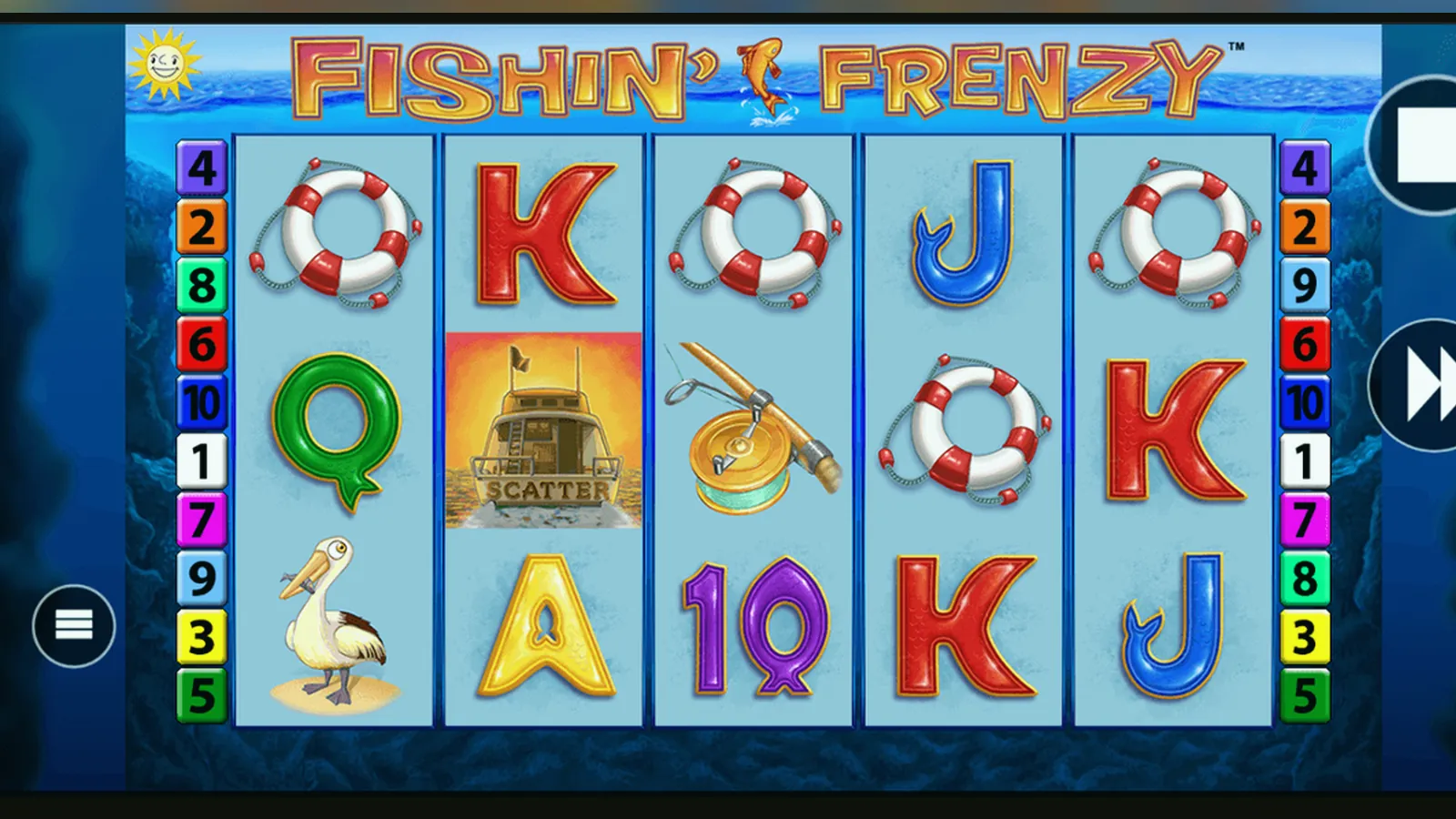
You can play Fishin' Frenzy for real money on two kinds of site: one holds a UKGC remote licence and follows every rule the Commission sets out — stake caps, affordability checks, GAMSTOP integration, the lot. The other sits offshore, takes British players anyway, and ignores the regulator. The second option is illegal to advertise here, and if a dispute lands you in court, you have no recourse.
This page walks through the first route — the legal, regulated one — and explains what the UKGC licence changes in practice: how much you can stake, when affordability checks kick in, which payment methods work, and how long verification takes before your first withdrawal clears.
What a UKGC licence guarantees — and what it costs you in friction
Every operator serving British players needs a remote gambling licence from the UK Gambling Commission. The licence number sits in the footer; you can look it up in the UKGC public register to confirm it matches the brand name. That licence brings a set of obligations: the operator must integrate with GAMSTOP, enforce stake caps by age, run affordability checks from £150 net deposits a month using credit-reference data, and block credit cards entirely — they've been banned for gambling since April 2020.
For you, the upside is legal protection: segregated funds, ADR access if something goes wrong, and the certainty that the RTP figure published for Fishin' Frenzy is the one running on the server. The downside is friction: age and identity checks before you can deposit, document requests before your first withdrawal, and stake caps that can feel tight if you're used to higher limits elsewhere. If you're 18–24, the cap drops to £2.00 per spin on every slot; from 25 upwards, it's £5.00. No exceptions, no VIP overrides.
Four operators that carry Fishin' Frenzy — with the trade-offs stated plainly
These are market examples; conditions change, so check the site directly before you commit. Each operator holds a UKGC licence, which you can verify in the footer and cross-reference in the Commission's public register.
| Operator | Strength | Weak point | |
|---|---|---|---|
| Operator A | Fast Faster Payments withdrawals, usually same-day after verification clears | Affordability checks trigger earlier than most — closer to £100 net in practice | → |
| Operator B | Wide payment menu: PayPal, Apple Pay, Trustly, paysafecard | KYC can stretch to 48 hours on first deposit if documents need manual review | → |
| Operator C | No wagering on deposit bonuses for Fishin' Frenzy | Bonus contribution for this slot is capped at 10%, so it takes longer to clear | → |
| Operator D | Generous game filters and demo access for logged-in accounts | Withdrawal minimum sits at £10.00, which can delay small cashouts | → |
None of these is a recommendation — they're examples of how UKGC sites differ in practice. One will process your verification quickly but pull affordability data sooner; another will let you use paysafecard but hold the first withdrawal for document review. Read the terms, compare the friction points, and pick the trade-off you can live with.
How to choose: a checklist that goes beyond the welcome offer
Start with the UKGC register: search for the brand name, confirm the licence number matches the footer, and check the licence is active. That tells you the operator is legal and current. Then dig into the details that affect your session:
- Stake caps by age — if you're under 25, you're locked to £2.00 per spin; check whether the site enforces this automatically or requires you to set the limit manually.
- Affordability threshold — most trigger at £150 net deposits a month, but some pull data earlier. Look for the policy in the responsible-gambling section.
- Payment methods in and out — debit cards (Visa, Mastercard), PayPal, Apple Pay, Trustly, and paysafecard are common. Credit cards are banned. Check that the withdrawal method matches your deposit; some operators require it, others let you switch.
- KYC timing — age and identity checks happen before the first deposit on most sites, but document requests (proof of address, source of funds) usually come before the first withdrawal. Budget 24–48 hours for manual review.
- Bonus terms for this slot — Fishin' Frenzy often contributes 10–20% towards wagering requirements, which means a £100 bonus with 35× wagering will take longer to clear if you play this game exclusively. Some operators exclude it from bonuses altogether.
- Game availability — the slot runs on desktop and mobile browsers; a few operators package it into a native app, but most serve it as a web app. Check that the version you want is listed in the lobby.
If the operator ticks those boxes and the withdrawal timing suits your rhythm, you're looking at a viable option. Conditions change, so revisit this checklist every few months — especially around affordability thresholds, which the Commission has tightened twice since 2023.
Registration, verification, and the first deposit — step by step
- Register: email, password, date of birth. The site will block registration if you're under 18 or if your details match a GAMSTOP exclusion.
- Age and identity check: the operator runs an instant electronic check against credit-reference data. If it passes, you're cleared to deposit. If it fails, you'll need to upload a photo ID (passport, driving licence) and wait for manual review — 24 hours is typical.
- Deposit: choose your method (debit card, PayPal, Apple Pay, Trustly, paysafecard). The minimum is usually £10.00; the maximum varies but rarely exceeds £5,000 without triggering an affordability review. The payment method must be in your own name — third-party deposits are rejected.
- Find the game: search for Fishin' Frenzy in the lobby or filter by provider if the site lists Blueprint Gaming separately. The slot appears under «Slots» or «Fishing» categories on most operators.
- Set your stake: the game will default to a stake within your age-band cap — £2.00 if you're 18–24, £5.00 if you're 25 or older. You can't override this; the cap is enforced at server level.
Before your first withdrawal, the operator will ask for documents: proof of address (utility bill, bank statement dated within three months) and sometimes proof of income if affordability checks have flagged your account. Upload them through the account portal; manual review takes 24–48 hours. Once verified, withdrawals process faster — e-wallets clear in a few hours, Faster Payments to your bank in the same day to two working days, and debit-card refunds in one to three working days.
Deposits and withdrawals: local methods and realistic timing
Payment options on UKGC sites reflect the 2020 credit-card ban and the shift towards Open Banking and Faster Payments. Here's what works and how long each route takes:
Credit cards are banned for all gambling transactions since April 2020, and third-party payments — cards or accounts not in your name — are rejected. If you share a bank account with a partner, use a payment method registered solely in your name to avoid delays.
What changes for Fishin' Frenzy under UKGC rules
The game itself runs the same RTP and volatility as it does elsewhere, but the UKGC framework changes three things: how much you can stake per spin, how bonuses apply, and whether the slot appears in the lobby at all.
- Stake caps: £5.00 per spin if you're 25 or older, £2.00 if you're 18–24. The game enforces this at server level, so you can't accidentally exceed it. If you're used to higher stakes, this will feel restrictive — there's no workaround.
- Bonus contribution: Fishin' Frenzy typically contributes 10–20% towards wagering requirements on UKGC sites. A £100 bonus with 35× wagering needs £3,500 in total bets to clear; if the slot contributes 10%, you'll need to wager £35,000 on this game alone to meet the requirement. Some operators exclude it from bonuses entirely — check the terms before you claim.
- Availability: Blueprint Gaming titles are widely available on UKGC sites, but a few operators rotate their lobbies and drop older releases. If Fishin' Frenzy isn't listed, ask live support — sometimes it's region-locked or temporarily removed for maintenance.
The £5.00 stake cap is the most visible change. If you're playing at £5.00 per spin, a 100-spin session costs £500.00 — which will trigger affordability checks on most accounts within two or three sessions if you deposit that amount in a single month. The regulator intends this friction; it's designed to slow spending and surface risk before losses escalate.
Affordability checks and GAMSTOP — how the safety net works in practice
Affordability checks start at £150 net deposits a month, measured as deposits minus withdrawals. The first stage is automated: the operator pulls credit-reference data (income estimates, existing credit commitments) and compares it to your gambling spend. If the algorithm flags a mismatch — say, your estimated disposable income is £800 a month but you've deposited £200 — the operator will freeze further deposits until you provide payslips, bank statements, or other proof of income.
This happens more often than operators advertise. The threshold is low, and the credit-reference data isn't always current — if you've recently changed jobs or moved, the algorithm may flag you incorrectly. Upload the requested documents through the account portal; manual review takes 24–72 hours, after which deposits resume or the operator imposes a permanent limit.
GAMSTOP is the national self-exclusion scheme: one registration blocks every UKGC-licensed site for a minimum of six months, up to five years. It's irreversible during the exclusion period, and it covers all products — slots, table games, bingo, sports betting. If you're excluded, the only legal option is to wait out the term. Unlicensed offshore sites don't integrate with GAMSTOP, which is why the Commission treats them as a harm vector.
Tax, Remote Gaming Duty, and what's left in your account when you win
Gambling winnings are tax-free for the player in the UK — you keep every pound you withdraw, and you don't report it on a tax return. The operator pays Remote Gaming Duty on gross gambling revenue, which the Treasury raised to 40% in April 2026. That increase pressured operators to tighten bonus terms and push affordability checks earlier, but it doesn't change the amount that lands in your account when you cash out.
If you win £1,000.00 on Fishin' Frenzy and withdraw it, £1,000.00 arrives in your bank account. No deductions, no reporting obligation. The same applies to losses — they're not tax-deductible, because winnings aren't taxable income in the first place.
This is one of the clearest advantages of the UK market: the tax treatment is simple, and the burden sits with the operator rather than the player. In jurisdictions where winnings are taxed, you'd need to track every session, report annual totals, and set aside a percentage for tax — none of that applies here.
FAQ
Can I play Fishin' Frenzy without a UKGC-licensed account?
Offshore sites that accept British players exist, but they're illegal to advertise here, and you have no legal recourse if a dispute arises. UKGC-licensed operators are the only legal route for real-money play in the UK.
How long does the first withdrawal take after I've uploaded documents?
Manual review of proof of address and income documents takes 24–48 hours. Once verified, e-wallet withdrawals clear in a few hours, Faster Payments in the same day to two working days, and debit-card refunds in one to three working days.
What happens if I hit the £150 affordability threshold?
The operator will freeze further deposits and request proof of income — payslips, bank statements, or tax returns. Manual review takes 24–72 hours. If the documents show you can afford your current spend, deposits resume; if not, the operator imposes a permanent limit or closes the account.
Why is Fishin' Frenzy excluded from some welcome bonuses?
The slot typically contributes 10–20% towards wagering requirements, which makes it slow to clear bonuses. Some operators exclude it entirely to avoid players grinding low-contribution games. Check the bonus terms before you claim — if Fishin' Frenzy is listed at 0% or excluded, you won't make progress on wagering if you play it.